On Today's Podcast
When, and where, did bats first take to the sky?
An analysis of bat genomes and fossil records has shown that the flying mammals first took wing in Europe some 60-65 million years ago.
Listen NowOctober 30, 2026
When, and where, did bats first take to the sky? Online clinics are prescribing GLP-1 microdoses formulated by compounding pharmacies. Are they safe and effective? Terence Tao says mathematics is about understanding, not just right answers, and quick AI solutions are forcing soul-searching in the field. Plus, how chatbots are changing language, and what life was like for T. rex.
17:07
The Data That Makes You Unique
A new study suggests that anyone can be identified by just a few pieces of seemingly harmless data.
22:51
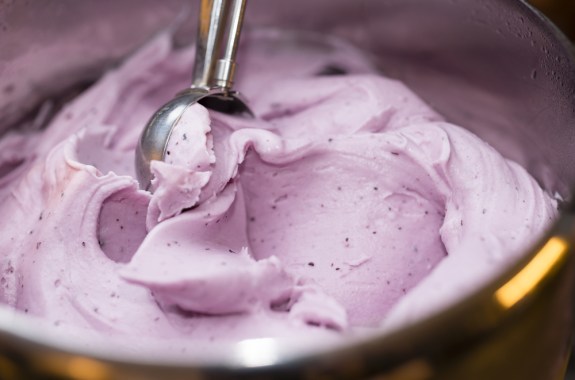
Food Failures: The Scoop On Perfecting Your Ice Cream And Frozen Desserts
Icy ice cream? Gooey gelato? Ice cream experts dish on the science behind your favorite frozen desserts.
22:57
Your Language Is Changing, Because Internet
An internet linguist explores how online communication has changed the way we write.

16:11
Into The Woods—For Birds!
Wherever you go this vacation season, there are bound to be birds. How beginner birders can find, identify, and appreciate them.

Change Up Your Homemade Ice Cream Recipe With Chemistry
Looking for dairy-free or low-sugar ice cream recipes? A chemist gives tips and substitutes to customize your favorite frozen treats.

Studying Language In The Age Of The Internet
In this excerpt from ‘Because Internet,’ Gretchen McCulloch explains why the internet age is a golden one for linguists.

The State Of Science
The State of Science is a collaboration with public radio reporters and local media, featuring local science stories of national significance.

Degrees Of Change
Understanding the challenges, but focused on the solutions, Degrees of Change was a project exploring the problem of climate change and how we as a planet are adapting to it.
11:57
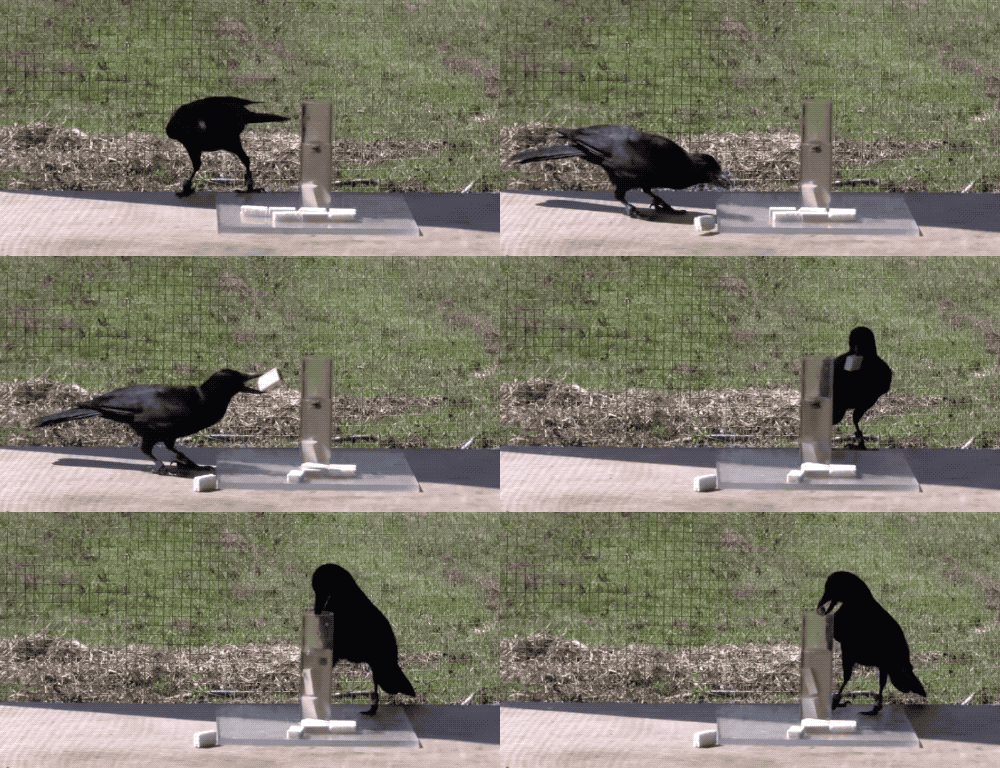
Read ‘The Genius Of Birds’ With The SciFri Book Club!
Join the flock as we celebrate bird brilliance of all kinds.
12:05
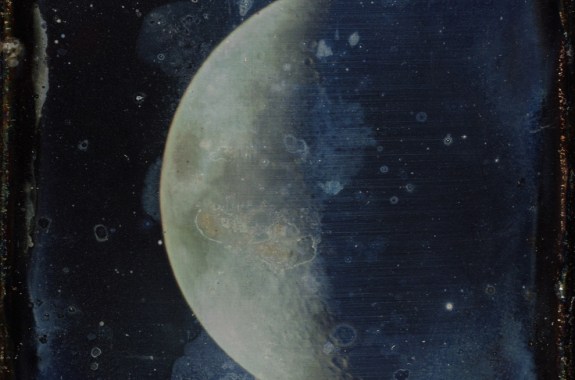
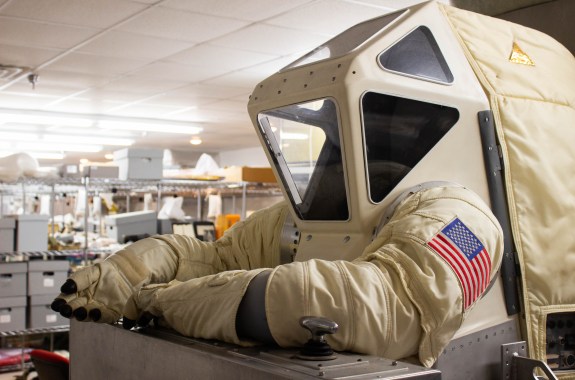
Our Ancient Obsession With Capturing The Moon
For millennia, humans have been trying to see the moon, capture its craters, and imagine what it could be like up there.
17:24
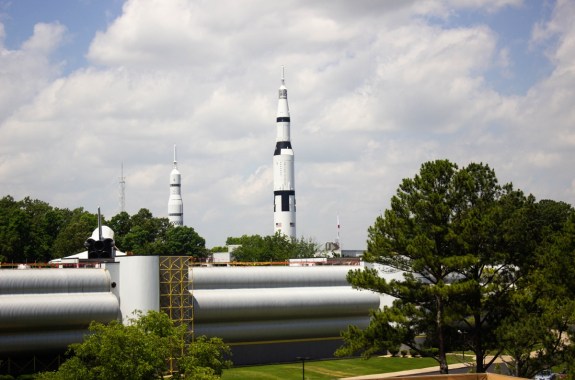
Preserving—And Telling—Space History
You know the iconic stories of space flight. But new stories may still be waiting to be found in archives and museum collections.
17:30
NASA’s Megarocket Bet To Return To The Moon—And Beyond
Components of the Space Launch System are undergoing testing, with an aim for a test flight next year.

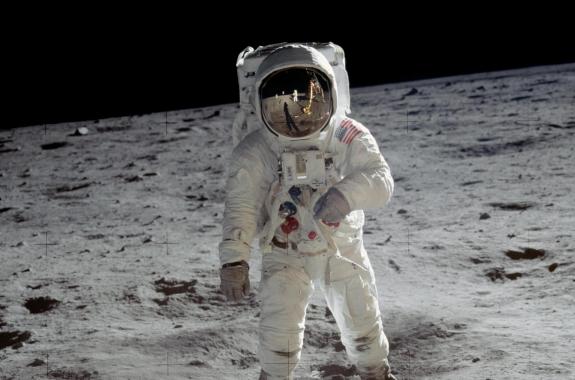
Mapping The Intelligent Mind Of Birds
In this excerpt of ‘The Genius of Birds,’ Jennifer Ackerman charts out how the connectivity maps of bird brains are not too different from our own.
33:03
Celebrating Apollo’s ‘Giant Leap’
Ira Flatow and space historian Andy Chaikin celebrate the history of the Apollo program and examine its legacy.

Will Future Astronauts Need To Worry About Moonquakes?
Analyze real evidence of seismic activity on the lunar surface to advise the next generation of crewed missions to the moon.

Join The Science Friday Bird Club On iNaturalist
Get outside and observe some birds! Join the Science Friday Bird Club on iNaturalist, and support research around the world with your observations.

These Launchpads Took Humans To The Moon. Will Rising Tides Bring Them Down?
In the shadow of worsening flooding conditions and structural degradation, NASA is upgrading some of its historic launchpads—and leaving others behind.

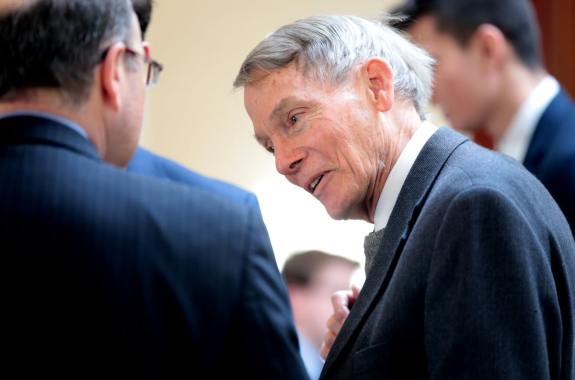
Can Robots Influence ‘The Fate Of Food’?
In ‘The Fate of Food’ by Amanda Little, a robot gets its hands dirty in a lettuce field.
11:28
A No-Go For White House Climate Panel
Efforts to create a Presidential Committee on Climate Security—a controversial climate advisory panel—have stalled.
11:39
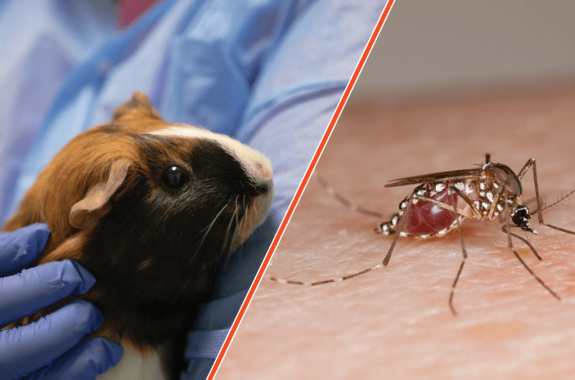
Mosquitoes Have Evolved To Sniff Out Their Prey Of Choice
Even though humans and other mammals emit similar odor compounds, mosquitoes can still detect the difference.