On Today's Podcast
Isabella Rossellini on how acting connects to animal cognition
Should we anthropomorphize animals or not? An actor and an ecologist share what they’ve learned about animal cognition.
Listen NowOctober 23, 2026
CRISPR pioneer Jennifer Doudna discusses the evolution of gene-editing technology and what it takes to be a good scientist. Timekeepers around the world voted to stop using leap seconds, but what does that mean for us? Plus, how "problem bears" help test engineers evaluate consumer products, author Kazuo Ishiguro on emotional truth in our age of AI, and the science of apple varieties.
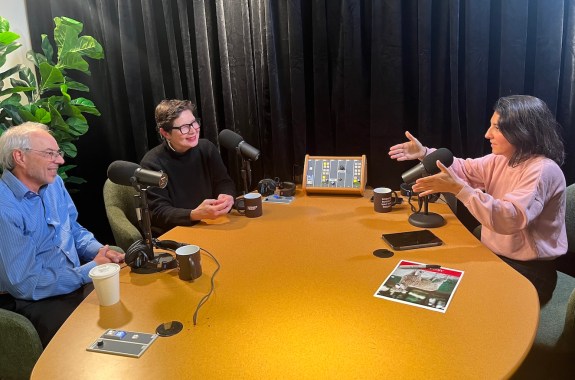
Isabella Rossellini on how acting connects to animal cognition
Should we anthropomorphize animals or not? An actor and an ecologist share what they’ve learned about animal cognition.
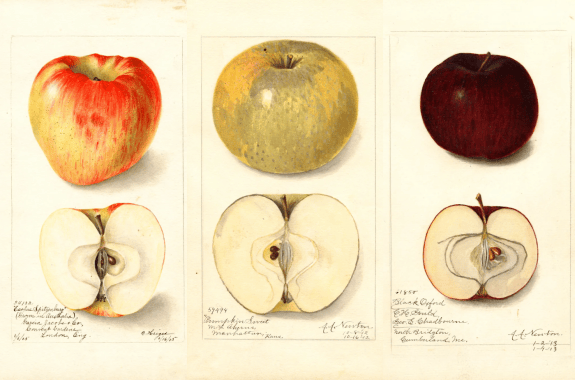
The science of apple varieties, from American Beauty to Zestar
Between new crosses and old heritage varieties, there’s a world of apples beyond the Red Delicious. In 2014, we explored how they come to be.
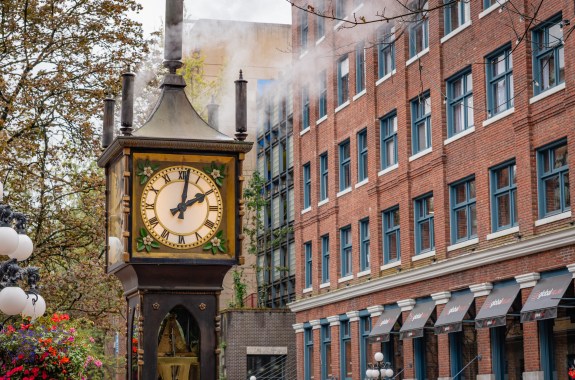
Why are we changing the way we keep time?
Timekeeping scientists around the world voted to stop using leap seconds, but what does this mean for us?

Kazuo Ishiguro on emotional truth in sci-fi and in our AI reality
Five years after “Klara and the Sun” was published, the film adaptation exists in an entirely different AI landscape.
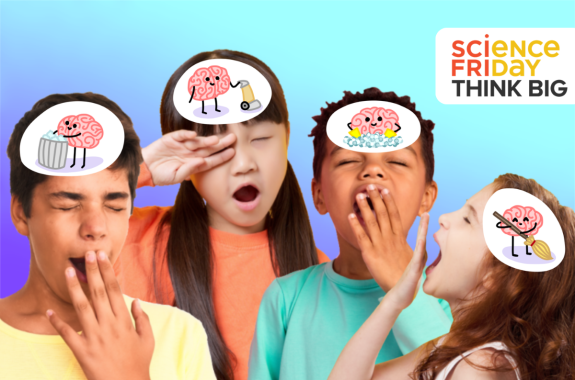
Why do we yawn? Discover your brain’s rinse cycle!
Investigate how a big yawn may help flush waste from your brain, and explore ways your body’s systems work together to keep you healthy.
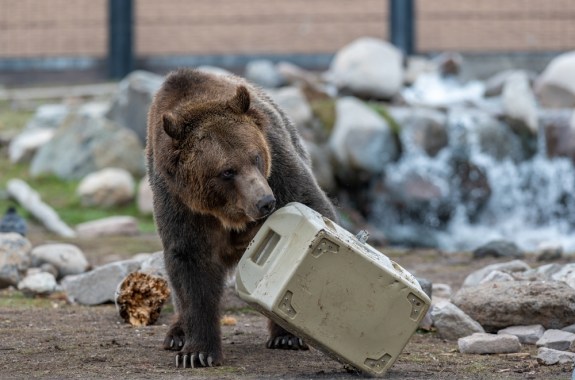
Is that garbage can bear resistant? These bears will find out
In the name of safety, test engineers turn pill bottles over to kids, launch dead chickens through jet engines, and let bears loose on coolers.
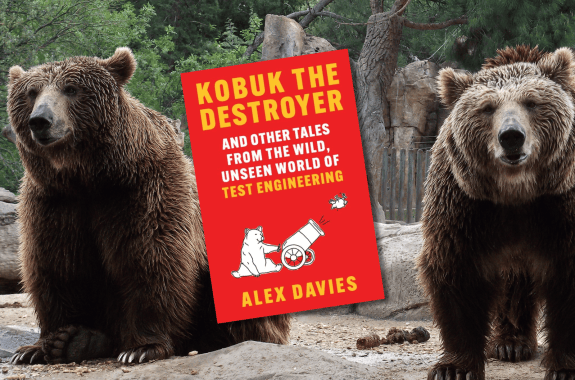
How ‘problem bears’ became test engineers’ allies
In “Kobuk the Destroyer,” a bear finds an unlikely job using the destructive flair that took him out of the wild to begin with.
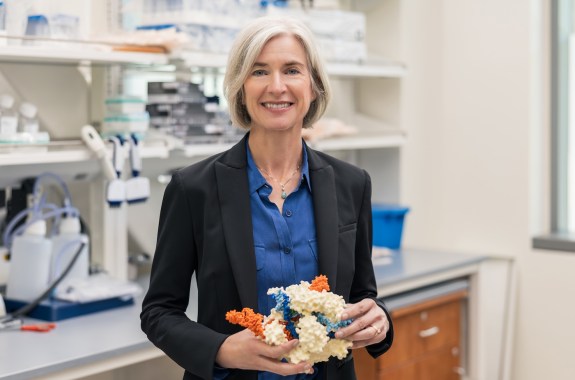
Jennifer Doudna on what it takes to be a good scientist
CRISPR pioneer Jennifer Doudna on the evolution of gene-editing technology, her own path, and what it takes to be a good scientist.
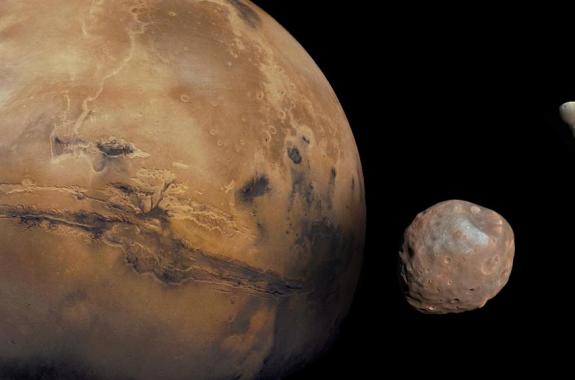
Commercial space stations, a Martian moon mission, and more
The latest on commercial space stations, Japan’s mission to bring a sample from a Martian moon, and space-based weapons.
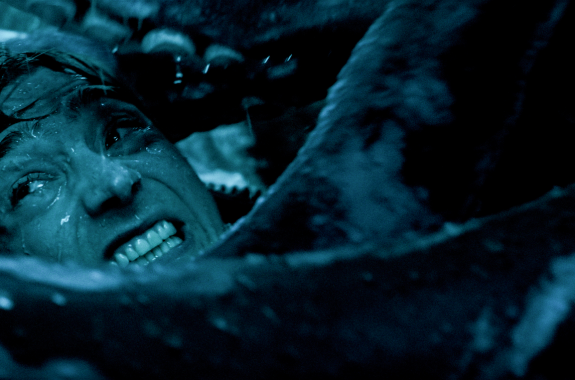
Could a whale swallow a human, ‘Whalefall’ style?
In the new movie “Whalefall,” a scuba diver has a very bad day in the guts of a sperm whale. Could it actually happen?
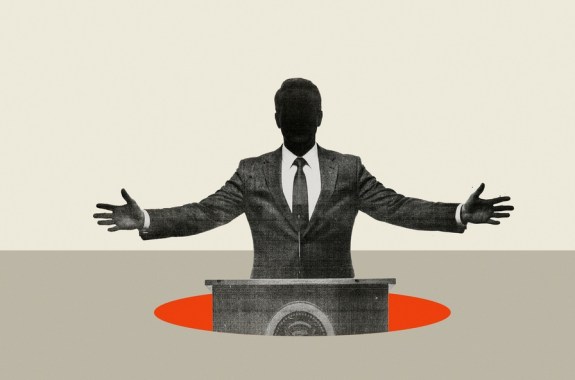
Why do politicians talk like that?
A linguist weighs in on how “politician speak” has changed over the past century, and what it says about what we want from our leaders.

Sargassum superblooms are choking coastlines around the Atlantic
A free-floating seaweed called sargassum is exploding in the Atlantic Ocean, clogging up coastlines from West Africa to the Caribbean.
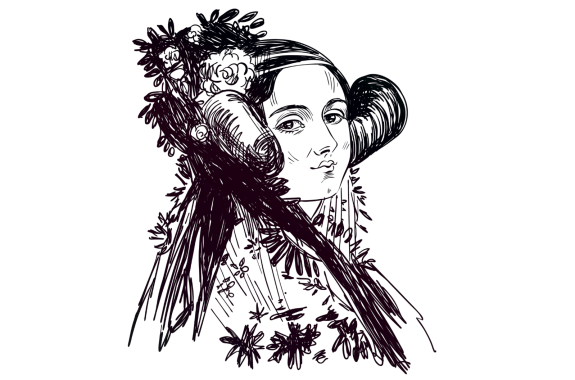
Celebrating Ada Lovelace Day and the women who made the internet
For Ada Lovelace Day, our 2018 story about the women who made the internet, with the author of “Broad Band” and the founder of EchoNYC.

Are attachment styles more than a social media trend?
Attachment styles have taken off as a way to understand relationships. But does the science behind it line up with popular interpretations?
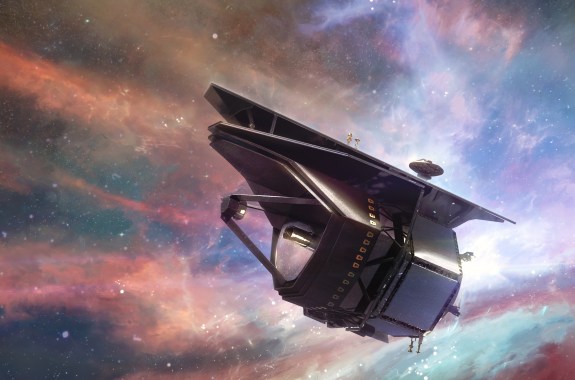
Getting the billion-dollar PRIMA space telescope off the ground
The proposed PRIMA space telescope just entered Phase B of its development. What does that mean?
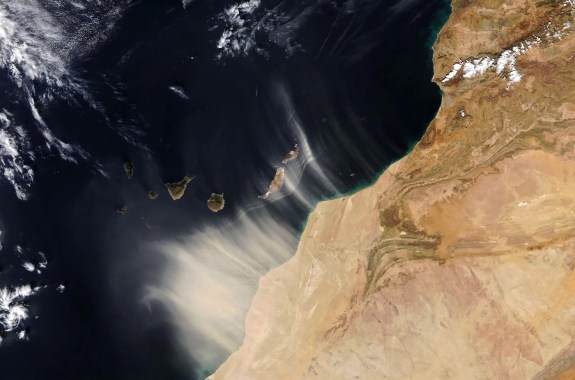
How dust traveling through the atmosphere shapes our world
An estimated 2 billion tons of dust are lofted into the air each year, affecting ecosystems, the atmosphere, and the weather.

The science and politics of the new mRNA flu vaccine
A new mRNA flu vaccine promises a closer match to circulating flu strains. But dysfunction at federal health agencies is complicating rollout.
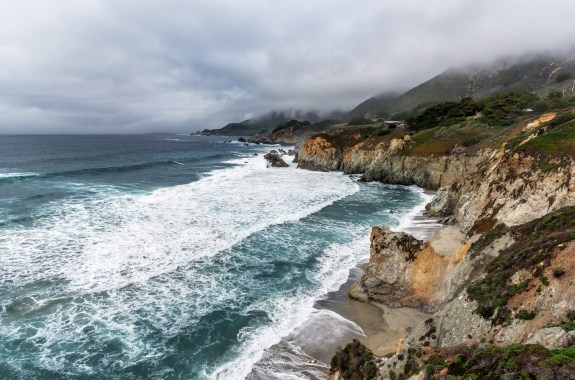
What is the Kelvin wave on the West Coast?
El Niño is driving a Kelvin wave up the West Coast, raising sea levels. What is it, and how does it work?
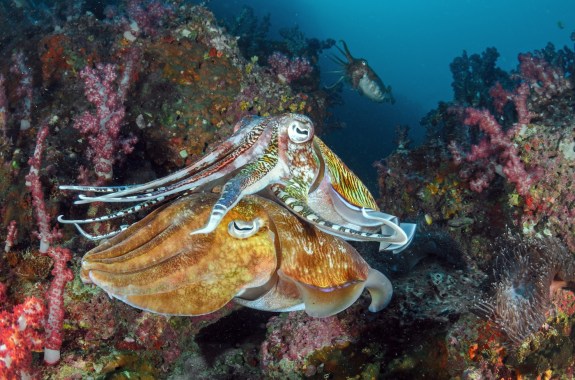
The punk rock life of cephalopods
This Cephalopod Week, we’re talking death spirals, cannibalism, and giant squid dissection.
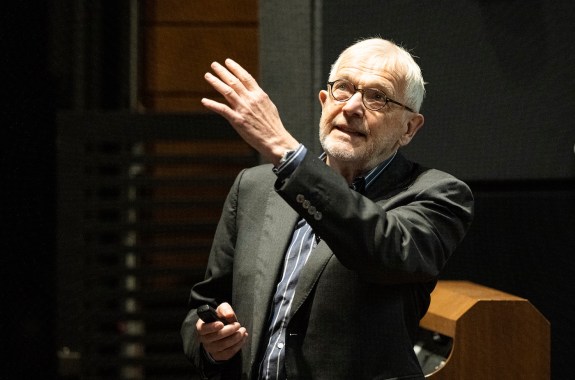
The Nobel winner searching for deep-space neutrinos in Antarctica
In 2013, Francis Halzen spoke with Ira about the IceCube Neutrino Observatory. This week, Halzen won the Nobel Prize.